
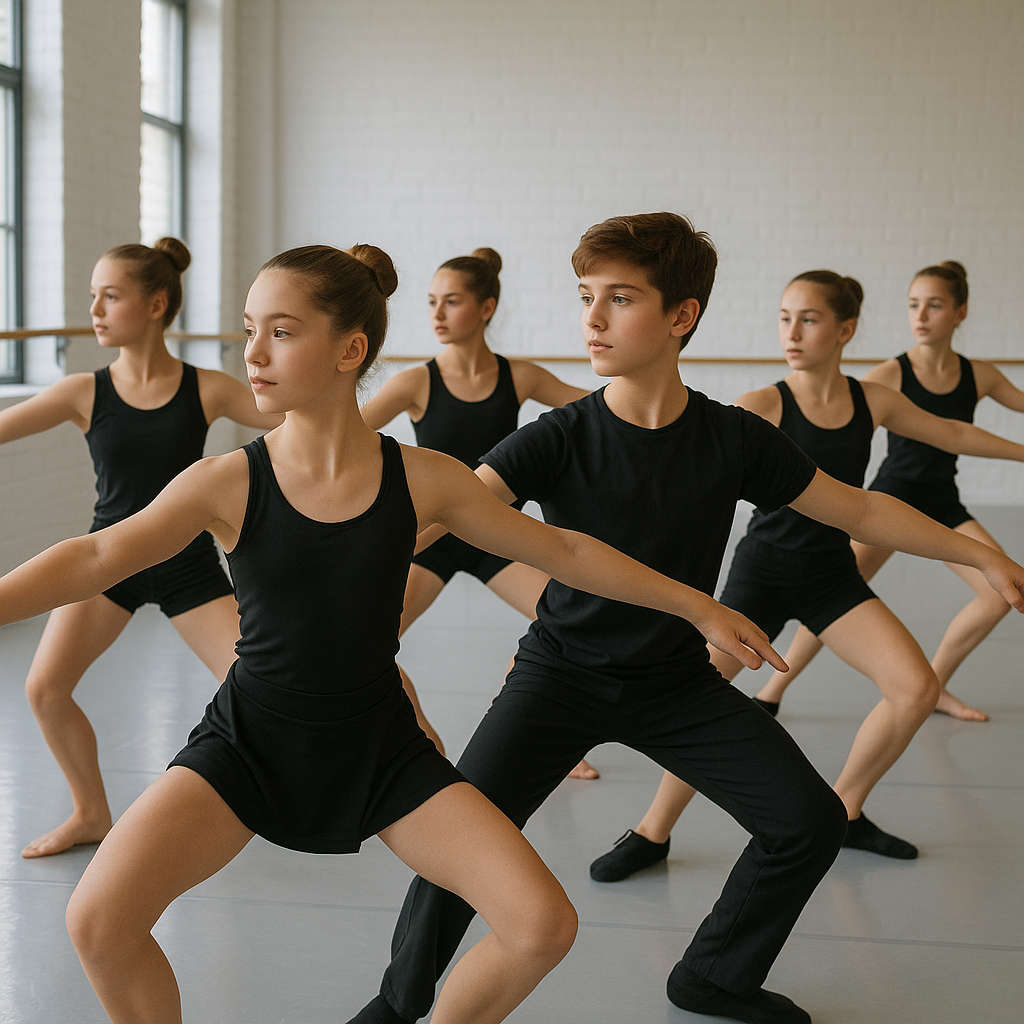
Discover the essential steps to launch your competitive dance journey and develop the skills, mindset, and dedication needed to thrive in high-performance dance environments.
Understanding What Competitive Dance Teams Look For in Dancers
Competitive dance teams seek dancers who demonstrate a genuine passion for their craft combined with technical proficiency across multiple dance styles. Directors and instructors look for students who exhibit strong foundational technique in genres such as jazz, ballet, contemporary, and hip-hop. They value dancers who can quickly learn choreography, retain corrections, and apply feedback during rehearsals. Beyond physical ability, competitive teams prioritize dancers who show commitment, reliability, and a willingness to grow. This includes consistent attendance at classes and rehearsals, punctuality, and a positive attitude that contributes to the team's collaborative environment.
Team directors also evaluate a dancer's performance quality and stage presence. Competitive dance requires performers who can connect emotionally with choreography and engage audiences during performances and competitions. Dancers must possess the versatility to adapt to various musical styles and choreographic approaches while maintaining their own artistic expression. Additionally, competitive teams look for individuals who understand the time commitment involved—including regular classes, intensive rehearsals, weekend competitions, and costume fittings—and who demonstrate the maturity to balance these responsibilities. Character traits such as resilience, coachability, and supportive teamwork are equally important as technical skills when building a successful competitive dance team.
Building Your Foundation Through Proper Training and Technique
A strong technical foundation is essential for any dancer aspiring to join a competitive team. This foundation begins with consistent enrollment in age-appropriate dance classes that emphasize proper technique across multiple styles. Classical ballet provides the fundamental principles of alignment, turnout, balance, and grace that translate to all other dance forms. Jazz technique develops sharpness, isolations, and dynamic movement quality. Contemporary and modern styles cultivate fluidity, emotional expression, and creative interpretation. Hip-hop builds musicality, rhythm, and performance energy. Dancers should aim to train in a variety of styles to develop versatility and prevent overuse injuries by engaging different muscle groups.
Quality instruction makes a significant difference in building proper technique. Seek programs with knowledgeable instructors who provide personalized feedback and correction. Small class sizes allow for more individualized attention, ensuring that dancers develop healthy movement patterns from the beginning. Programs that offer tumbling and acrobatics classes can enhance a competitive dancer's skill set by adding impressive technical elements to routines. Consistent training—typically three to five classes per week for aspiring competitive dancers—allows for progressive skill development and muscle memory formation. Supplementing group classes with occasional private lessons provides targeted instruction to address specific technical weaknesses or to prepare challenging choreography. Remember that building a solid foundation takes time and patience; rushing through technique can lead to bad habits that are difficult to correct later.
Preparing for Auditions with Confidence and Mental Readiness
Audition preparation requires both physical and mental readiness. In the weeks leading up to an audition, maintain a consistent training schedule to keep your body conditioned and your skills sharp. Practice learning choreography quickly by taking various classes and challenging yourself with new combinations. Review fundamental techniques in your strongest styles and work to improve areas where you feel less confident. Physical preparation also includes proper rest, nutrition, and hydration to ensure your body performs at its best. Consider attending open classes or workshops at the studio where you plan to audition to familiarize yourself with the teaching style and studio environment.
Mental preparation is equally important for audition success. Visualize yourself performing confidently and successfully executing the choreography. Practice positive self-talk and replace limiting thoughts with encouraging affirmations. Develop strategies to manage audition-day nerves, such as deep breathing exercises or listening to motivating music. Arrive early to the audition to allow time to warm up properly and acclimate to the space. During the audition, focus on demonstrating your best effort rather than achieving perfection. Show enthusiasm, maintain eye contact with instructors, and let your personality shine through your movement. Remember that directors are looking for dancers who are coachable and eager to learn, so apply corrections quickly and show gratitude for feedback. Confidence comes from thorough preparation and a genuine belief in your abilities and potential for growth.
Developing the Discipline and Character Traits of Elite Dancers
Success in competitive dance requires discipline that extends far beyond the studio. Elite dancers cultivate consistent habits that support their training goals, including maintaining a regular sleep schedule, eating nutritious meals that fuel performance, and managing their time effectively to balance dance commitments with academic and personal responsibilities. Discipline means showing up to every class and rehearsal prepared and focused, even when motivation wanes. It involves practicing at home to refine technique, stretching regularly to maintain flexibility, and conditioning to build strength and endurance. Competitive dancers understand that progress requires sustained effort over time, and they commit to incremental improvement through daily dedication.
Character development is equally essential for thriving in competitive dance environments. Resilience allows dancers to recover from disappointments, whether that means a challenging competition result, not receiving a desired role, or struggling with difficult choreography. Elite dancers view setbacks as opportunities for growth rather than reasons to quit. Humility enables dancers to accept constructive criticism gracefully and to celebrate teammates' successes genuinely. Supportive teamwork creates a positive environment where everyone can flourish; this means encouraging fellow dancers, collaborating respectfully during partner work, and contributing to the team's collective energy. Self-motivation drives dancers to set personal goals and pursue excellence without constant external pressure. Developing these character traits alongside technical skills creates well-rounded dancers who succeed not only in competition but in all areas of life.
Balancing Competition Commitments with Personal Growth and Well-Being
Competitive dance demands significant time and energy, making it essential to establish healthy boundaries that protect your overall well-being. Create a realistic schedule that accommodates dance commitments while preserving time for academic responsibilities, family connections, friendships, and personal interests outside of dance. Communicate openly with parents, teachers, and dance instructors about your schedule to ensure everyone understands your commitments and can provide appropriate support. Learn to recognize signs of burnout, such as persistent fatigue, decreased enthusiasm for dance, frequent injuries, or declining performance in school. When you notice these warning signs, take proactive steps to rest and recharge rather than pushing through exhaustion.
Personal growth flourishes when you maintain perspective about dance's role in your life. While dedication and hard work are important, remember that your worth extends beyond your abilities as a dancer. Cultivate interests and relationships outside the studio that contribute to a well-rounded identity. Set goals that reflect your personal values and aspirations rather than solely external expectations. Celebrate progress in all its forms—not just competition placements but also technical improvements, artistic breakthroughs, and the friendships you build through dance. Practice self-compassion during challenging periods and recognize that growth is not always linear. By maintaining balance between your competitive dance commitments and your broader personal development, you create a sustainable approach that allows you to thrive both as a dancer and as an individual. This holistic perspective ultimately enhances your performance because you bring your whole, healthy self to your artistry.