
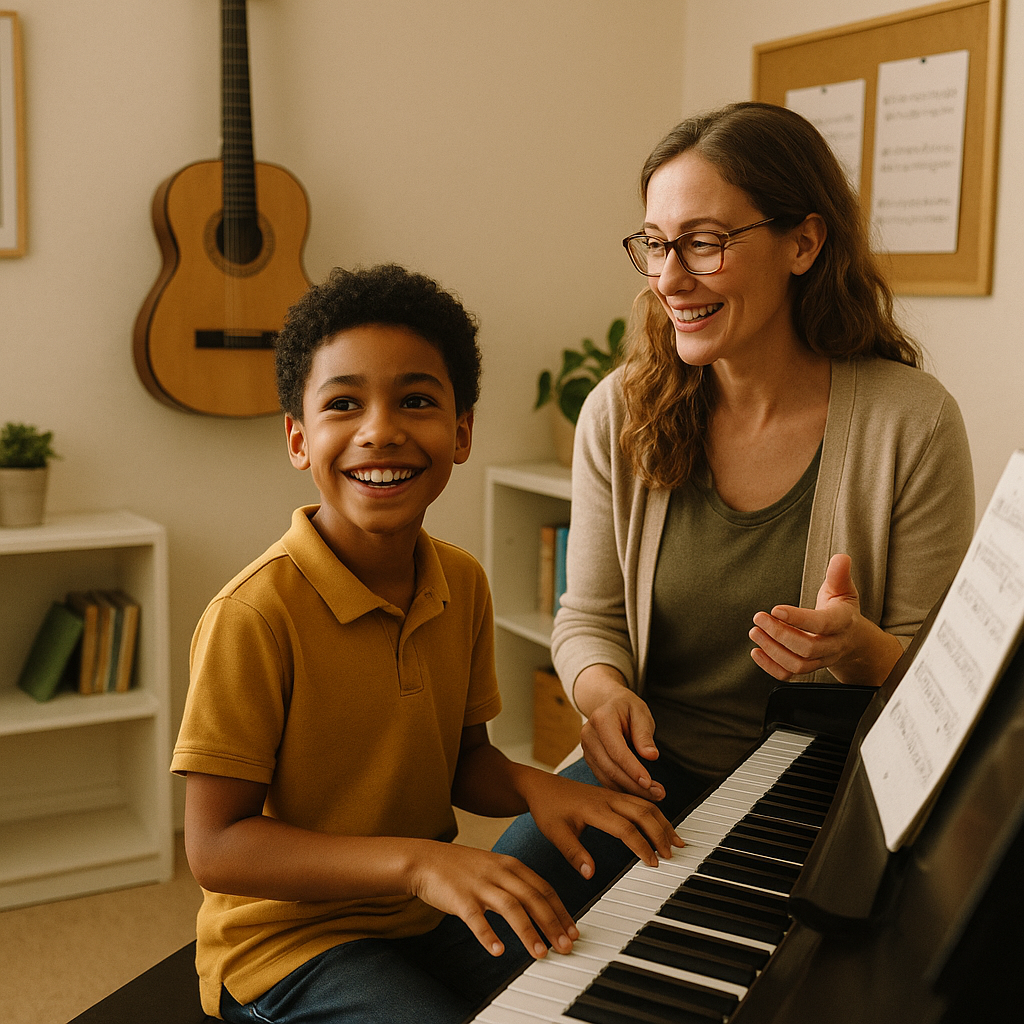
Discover how private music instruction transforms young learners into confident performers through personalized attention, measurable progress, and supportive mentoring that builds lifelong self-belief.
The First Note: Overcoming Initial Hesitation
The journey toward confidence begins the moment a child sits at a piano or prepares to sing their first note in a private voice lesson. This initial milestone represents far more than technical achievement—it marks the beginning of a transformative process where vulnerability meets encouragement. In one-on-one music instruction, young learners discover a safe space to explore their abilities without the pressure of group dynamics or peer comparison.
Parents often notice subtle yet significant changes during this early stage. A child who initially hesitated to make sound gradually finds their voice, both literally and figuratively. The personalized feedback from dedicated instructors helps young musicians understand that mistakes are essential to learning, not signs of failure. This foundational shift in mindset establishes the groundwork for all future confidence building.
Research in child development through music demonstrates that individualized instruction accelerates this breakthrough moment. Unlike group settings, private voice and piano lessons allow instructors to tailor their approach to each child's unique temperament, learning style, and pace. For families in the Dallas-Fort Worth area seeking meaningful music education benefits, this first milestone becomes a powerful indicator that their investment in private instruction is already yielding emotional and developmental returns.
Mastering Technique Through Personalized Feedback
As young musicians progress beyond initial hesitation, the second major confidence milestone emerges through the refinement of technical skills. One-on-one music instruction provides an unparalleled advantage: immediate, constructive feedback that addresses specific challenges in real time. When a piano student struggles with finger positioning or a vocal student works to achieve proper breath support, their instructor can identify and correct these issues with precision that simply cannot be replicated in group lessons.
This personalized approach to technique development builds confidence in a unique way. Children begin to recognize their own progress through measurable improvements—clearer notes, smoother transitions, better posture, and stronger vocal control. Parents can observe these milestones by listening for increased consistency in practice sessions at home, noting improved hand-eye coordination at the piano, or hearing their child explain what they learned about diaphragmatic breathing or proper articulation.
The child confidence building that occurs during this phase extends beyond musical ability. Young learners develop patience, attention to detail, and the understanding that mastery requires dedicated effort. Private voice and piano lessons create an environment where students receive affirming recognition for incremental improvements, reinforcing the belief that their hard work produces tangible results. This realization becomes a cornerstone of self-confidence that influences their approach to challenges in other areas of life.
Celebrating Small Victories That Build Big Confidence
The third confidence milestone centers on recognition and celebration of incremental achievements. In private music instruction, every successfully learned scale, every memorized measure, and every vocal exercise completed with improved technique represents a victory worth acknowledging. Skilled instructors understand that these small wins accumulate to create profound shifts in a child's self-perception and belief in their abilities.
Parents play a crucial role in amplifying this milestone by recognizing signs of progress at home. Watch for your child's growing enthusiasm about sharing what they learned, their willingness to practice independently, or their pride in demonstrating a newly mastered piece. These behaviors signal that private voice and piano lessons are fostering intrinsic motivation—the internal drive to improve that transcends external rewards. When children begin setting their own practice goals or expressing excitement about their next lesson, confidence is taking root.
The music education benefits of celebrating small victories extend into emotional intelligence and self-advocacy. Young musicians learn to articulate their accomplishments, identify areas where they need additional support, and develop realistic expectations about their learning timeline. This balanced self-awareness—recognizing both strengths and growth areas—represents sophisticated emotional development that serves students well beyond their music education. For families investing in one-on-one music instruction in the Dallas-Fort Worth area, this milestone confirms that lessons are nurturing the whole child, not just their musical abilities.
Performing Without Fear: From Practice Room to Stage
The transition from private instruction to public performance marks one of the most significant confidence milestones in a young musician's development. This stage represents the practical application of all previous learning—technique, persistence, and incremental achievement—in a high-stakes environment. Private voice and piano lessons prepare students for this moment through graduated exposure, beginning with informal performances for family members and progressing to recitals and community events.
Performance skills develop through repeated exposure in supportive settings. One-on-one music instruction allows teachers to address performance anxiety individually, teaching breathing techniques for nervous singers, visualization exercises for pianists, and mental preparation strategies tailored to each student's needs. Parents can support this milestone by attending all performances, maintaining positive encouragement regardless of outcome, and helping children process their experiences afterward. Watch for signs that your child is developing stage presence: increased eye contact with the audience, recovery from minor mistakes without visible distress, and expressions of excitement rather than dread about upcoming performances.
The child development through music that occurs during this phase creates resilience that transfers to academic presentations, athletic competitions, and social situations. Students learn that preparation reduces anxiety, that audiences are generally supportive, and that the vulnerability of performance can be exhilarating rather than terrifying. For young people in the Dallas-Fort Worth area participating in private music instruction, this milestone often coincides with increased willingness to take risks in other areas of their lives, demonstrating the far-reaching impact of performance confidence.
Developing Self-Belief That Extends Beyond Music
The ultimate confidence milestone emerges when the lessons learned through private voice and piano instruction begin influencing a child's entire approach to challenges and opportunities. This transformation represents the culmination of personalized mentoring, technical mastery, celebrated achievements, and successful performances. Young musicians who reach this stage demonstrate self-belief that informs their academic pursuits, social relationships, and personal goal setting.
Parents often notice this milestone through indirect indicators: their child tackles difficult homework with the same persistence they apply to challenging musical passages, they advocate for themselves in classroom settings, they show greater emotional regulation when facing disappointment, or they express interest in leadership opportunities. The child confidence building that began with hesitant first notes has evolved into a fundamental belief in their capacity to learn, grow, and succeed through dedicated effort. This is perhaps the most valuable music education benefit—the development of a growth mindset that views abilities as expandable rather than fixed.
For families in the Dallas-Fort Worth area considering one-on-one music instruction, this final milestone illuminates why private voice and piano lessons represent an investment in comprehensive child development. The personalized attention, constructive feedback, graduated challenges, and supportive mentoring inherent in individual instruction create conditions for profound confidence building that group lessons rarely replicate. Young musicians who experience these nine milestones don't just become better performers—they become more resilient, self-aware, and confident individuals prepared to pursue their dreams with determination and self-belief.