
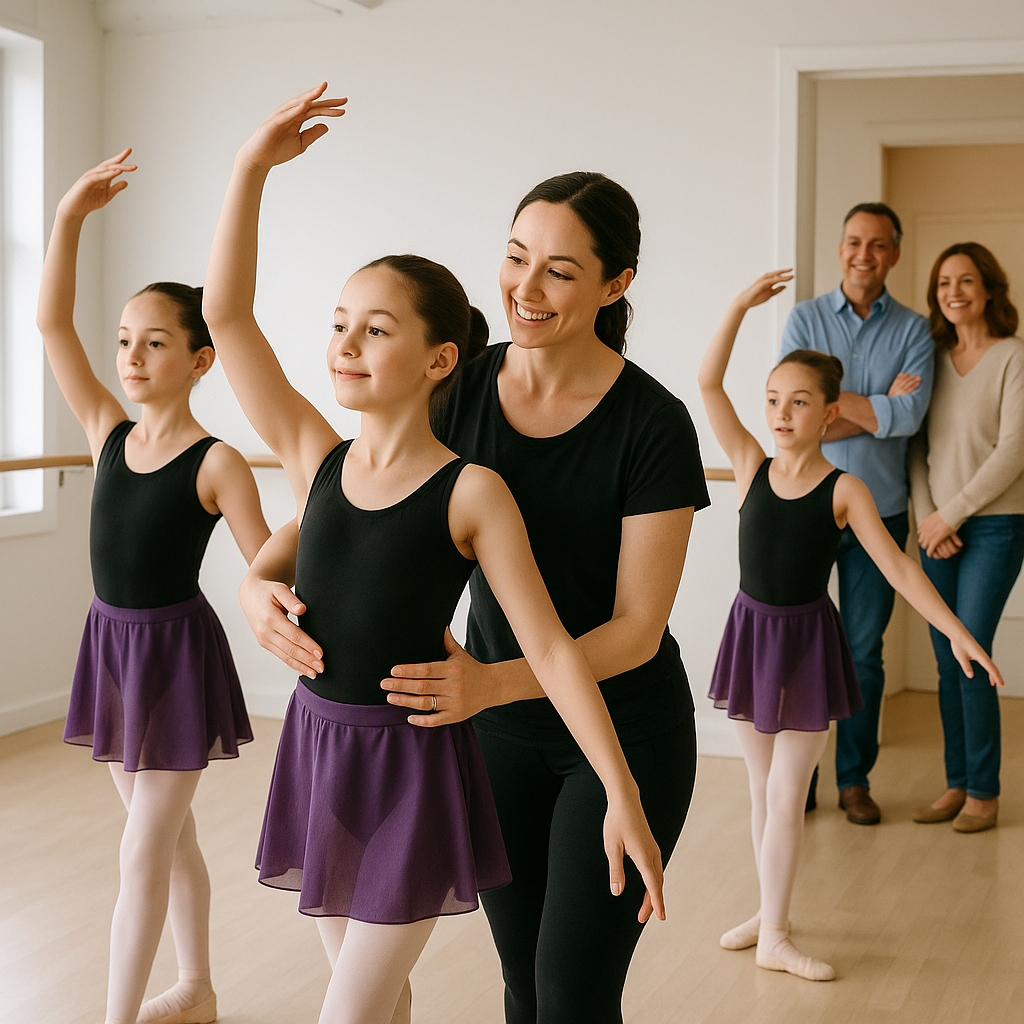
Choosing the right competitive dance program for your child is one of the most important decisions you'll make as a parent—discover the essential questions that will help you find a nurturing environment where young dancers can thrive.
Understanding the Program Philosophy and Approach to Youth Development
When evaluating kids competitive dance programs in Dallas-Fort Worth, the first questions you should ask center on the studio's core philosophy and developmental approach. A quality dance studio should prioritize age-appropriate skill development while fostering confidence, teamwork, and character alongside technical ability. Ask potential programs: 'What is your philosophy regarding competitive dance for young children?' and 'How do you balance competition with healthy youth development?' These questions reveal whether the program emphasizes holistic growth or focuses solely on winning.
The best youth dance training programs recognize that competitive dance serves as a vehicle for building resilience, self-belief, and motivation in young performers. Look for dance classes that encourage progressive skill development rather than pushing children beyond their developmental readiness. Ask: 'How do you prepare dancers mentally and emotionally for competition?' and 'What values do you emphasize beyond technical dance skills?' Programs that integrate character development, supportive encouragement, and gradual preparation of a competitive mindset will help your child thrive both on and off the stage.
Understanding how a dance studio approaches corrections and feedback is equally important. Inquire about their teaching methods by asking: 'How do instructors provide feedback to young dancers?' Quality programs avoid counterproductive language and instead use constructive, supportive communication that builds confidence. The right Dallas-Fort Worth dance program will create a nurturing environment where mistakes become learning opportunities and every dancer feels valued regardless of their competitive placement.
Evaluating Instructor Credentials and Student-to-Teacher Ratios
The quality of instruction your child receives directly impacts their technical development and overall dance experience. When visiting dance studios in the Dallas-Fort Worth area, ask: 'What are the credentials and professional backgrounds of your instructors?' and 'Do you employ certified dance educators or bring in guest choreographers?' Highly accredited staff with diverse training backgrounds bring depth of expertise across various styles including jazz, hip hop classes, ballet, and contemporary dance. Programs that invest in knowledgeable and supportive coaching staff demonstrate a commitment to excellence in youth dance training.
Class size and student-to-teacher ratios significantly affect the personalized attention your dancer receives. Smaller ratios allow instructors to provide individualized correction, technique refinement, and focused skill development. Ask prospective programs: 'What is your typical student-to-teacher ratio for competitive teams?' and 'Are ratios different for younger age groups?' Quality kids competitive dance programs often maintain smaller class sizes for younger dancers who require more hands-on guidance. This approach ensures that each child receives the supportive, personalized instruction necessary for proper technical foundation and injury prevention.
Additionally, inquire about opportunities for private lessons and specialized instruction. Ask: 'Do you offer private dance lessons for students who need additional support or want to advance more quickly?' Having access to one-on-one instruction allows dancers to address individual weaknesses, prepare for specific competition pieces, or explore specialized techniques. The availability of flexible, customized training options indicates a dance studio's commitment to meeting each family's unique needs and supporting every dancer's journey.
Exploring Competition Schedules and Performance Opportunities
Understanding the competition schedule and performance expectations upfront helps families assess whether a program fits their lifestyle and commitment capacity. Essential questions include: 'How many competitions does the team attend each season?' and 'Are competitions local, regional, or national?' Some Dallas-Fort Worth dance programs focus on local and regional competitions, while others travel extensively to national events. Clarify the travel requirements, typical competition weekends, and whether attendance at all competitions is mandatory or if families can select which events to attend.
Beyond competitions, ask about other performance opportunities such as recitals, showcases, and community events. Inquire: 'Does your program include an annual recital, and is participation required?' and 'What other performance opportunities are available throughout the year?' Many dance studios offer seasonal recitals featuring multiple shows where dancers can showcase their progress. Understanding the full scope of performance commitments—including rehearsal schedules leading up to events—helps families plan accordingly and ensures dancers receive adequate rest and recovery between intensive performance periods.
Also important is understanding how competition teams are selected and how repertoire is assigned. Ask: 'How are dancers placed on competitive teams and in specific routines?' and 'What criteria determine solo, duet, or group assignments?' Transparent selection processes based on skill level, age-appropriateness, and developmental readiness create fair, supportive environments. Programs should also explain their approach to costume fittings, rehearsal attendance policies, and what happens when conflicts arise. Clear communication about these logistics prevents misunderstandings and allows families to make informed decisions about their level of competitive involvement.
Assessing Flexibility, Communication, and Family Support Systems
The level of flexibility and communication a dance studio offers significantly impacts your family's experience. Ask: 'What is your policy regarding schedule changes, absences, and makeups?' and 'How flexible is the program when family emergencies or conflicts arise?' While competitive dance requires commitment, quality programs recognize that families have multiple obligations and occasionally need accommodation. Understanding policies around absences during important rehearsals, such as costume day, helps set realistic expectations. Programs that require sign-off for certain absences demonstrate they value both commitment and open communication.
Effective communication systems are essential for keeping parents informed about schedules, costume requirements, competition details, and billing. Inquire: 'How does the studio communicate important information to families?' and 'Is there a parent portal, app, or centralized platform for managing schedules and payments?' Convenient online management tools streamline enrollment, billing communication, and access to important updates. Dedicated customer support via phone and email also indicates a program's commitment to responsive, family-centered service. The right Dallas-Fort Worth dance program makes it easy for busy families to stay informed and engaged without adding administrative burden.
Finally, assess the overall culture and support system within the dance community. Ask: 'How do you foster a positive, supportive environment among dancers and families?' and 'What role do parents play in the competitive dance experience?' Programs that cultivate welcoming, collaborative relationships among families create more enjoyable experiences for everyone. Look for studios where staff are described as supportive, encouraging, and accessible. A nurturing community atmosphere where dancers cheer for one another and families connect transforms competitive dance from a high-pressure activity into a positive, confidence-building experience that develops teamwork, character, and lifelong friendships.
Clarifying Costs, Commitment Levels, and Program Expectations
Understanding the true financial investment required for competitive dance prevents surprises and helps families budget appropriately. Ask: 'What is the total annual cost including tuition, competition fees, costumes, and travel?' Many families are caught off guard by expenses beyond monthly tuition. Request a comprehensive breakdown that includes costume costs, competition entry fees, mandatory apparel, choreography fees, and anticipated travel expenses. Some dance studios offer payment plans or split billing into installments to make costs more manageable. Ask: 'Do you offer payment plans for costumes and competition fees?' and 'Are there additional costs for private lessons, intensives, or special workshops?'
Beyond financial costs, clarify the time commitment and scheduling expectations. Essential questions include: 'How many hours per week are dancers expected to attend classes and rehearsals?' and 'What is the attendance policy for competitive team members?' Youth dance training programs vary widely in their intensity—some require 10-15 hours weekly while others demand 20+ hours. Understanding these requirements upfront helps families determine if the program aligns with their capacity and their child's other activities. Also ask about summer intensives, off-season training expectations, and whether year-round enrollment is required or if families can take seasonal breaks.
Finally, clarify all program expectations and requirements to ensure your family can meet them consistently. Ask: 'What are the rules regarding dance attire, hair, and appearance at classes and competitions?' Some programs have specific requirements such as no jewelry during class, specific hair accessories, or clear fingernail polish only. Understanding dress codes, behavioral expectations, and studio policies about late arrivals or early departures sets everyone up for success. Additionally, inquire: 'What happens if my dancer wants to step down from competition or needs to leave the program mid-season?' Knowing exit policies and how the studio handles transitions demonstrates transparency and respect for family circumstances. The right kids competitive dance program in Dallas-Fort Worth will provide clear, comprehensive information about all aspects of participation, empowering you to make the best decision for your child and family.