
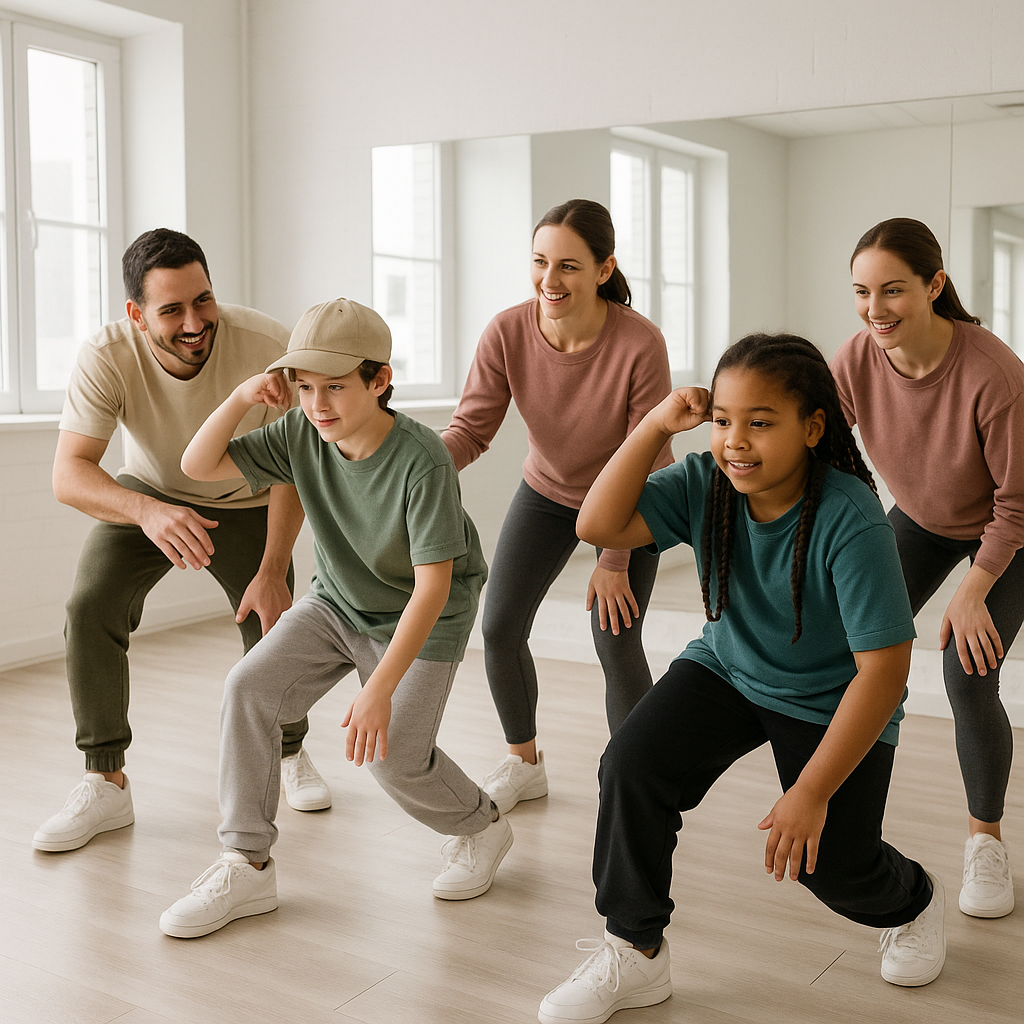
Discover the essential elements that make beginner hip hop dance classes effective, safe, and inspiring for young dancers starting their journey.
Class Structure and Age-Appropriate Curriculum
When evaluating beginner hip hop classes for your child, the structure and curriculum should be thoughtfully designed to match developmental stages and skill levels. The best dance studios understand that young learners need progressive, age-appropriate instruction that builds foundational skills before advancing to complex choreography. Look for programs that clearly outline what students will learn at each level, with classes segmented by age groups rather than mixing all beginners together regardless of developmental readiness.
A well-structured beginner hip hop class typically begins with fundamental movements such as isolations, grooves, and basic steps before layering in intricate hip hop choreography. The curriculum should emphasize proper technique from the start, teaching students how their bodies move while building rhythm and musicality. Classes should progress logically from warm-up to skill development to choreography, with each segment purposefully designed to support learning objectives. This structured approach helps students gain confidence as they master each element before moving forward.
Pay attention to class length and frequency recommendations. For younger children, shorter, more frequent sessions often yield better results than extended classes that exceed their attention span and physical endurance. Adult hip hop classes may accommodate longer sessions, but beginners of any age benefit from consistent practice over time rather than sporadic intensive training. The program should provide clear expectations about attendance, practice, and progression so families understand the commitment required for meaningful development.
Qualified Instructors with Nurturing Teaching Styles
The instructor's qualifications and teaching approach significantly impact your child's experience in hip hop dance lessons. Seek out instructors who possess both technical expertise in hip hop styles and formal training in teaching methods appropriate for their students' ages. The most effective teachers demonstrate mastery of various hip hop techniques while understanding child development principles that inform how they communicate, correct, and encourage young learners. Certifications, professional dance experience, and ongoing education signal an instructor's commitment to excellence.
Beyond credentials, observe the instructor's teaching style during a trial class or observation session. Nurturing instructors create supportive environments where students feel comfortable taking risks and making mistakes as part of the learning process. They use positive reinforcement and constructive feedback rather than harsh criticism, building confidence alongside technical skills. The best instructors balance high expectations with patient guidance, pushing students to grow while celebrating incremental progress. They demonstrate genuine enthusiasm for teaching and authentic care for each student's development.
Effective hip hop instructors also excel at clear communication, breaking down complex movements into manageable steps and using instructor cues that students can understand and execute. They should regularly check for comprehension, offer modifications for different skill levels within the same class, and maintain control of the classroom environment. Look for teachers who foster respect, discipline, and teamwork while keeping classes engaging and enjoyable. The instructor-student relationship should feel dynamic and collaborative, with the teacher serving as both expert guide and encouraging mentor.
Safe Environment and Proper Warm-Up Protocols
Safety considerations extend beyond physical space to encompass injury prevention practices that protect young dancers. Every beginner hip hop class should begin with a controlled, progressive warm-up that prepares muscles and joints for the demands of dance movement. Proper warm-ups typically include cardiovascular activity to increase heart rate and blood flow, followed by dynamic stretching that targets muscle groups used in hip hop dancing. This systematic approach reduces injury risk while teaching students the importance of preparation before physical activity.
The physical studio environment itself warrants careful evaluation. Flooring should be appropriate for dance—neither too hard nor too slippery—with adequate shock absorption to protect developing joints during jumps, drops, and floor work common in hip hop choreography. The space should be clean, well-maintained, and sufficiently large to accommodate class size without crowding. Proper ventilation, climate control, and lighting contribute to a comfortable learning environment. Mirrors help students observe and self-correct their movements, while sound systems should deliver clear music at appropriate volume levels.
Beyond physical safety, the best dance studios establish clear policies regarding student conduct, emergency procedures, and health protocols. Instructors should be trained in basic first aid and know how to respond to injuries. The studio should maintain clear communication channels with parents about any incidents or concerns. Additionally, consider the studio's approach to appropriate music selection for hip hop classes, ensuring lyrics and themes align with age groups. A safe environment encompasses physical, emotional, and developmental considerations that support healthy, positive dance experiences.
Building Confidence Through Positive Reinforcement
Confidence development represents one of the most valuable outcomes of quality beginner hip hop classes. Young dancers thrive in environments where instructors emphasize progress over perfection, celebrating effort and improvement rather than focusing solely on flawless execution. Look for programs that incorporate positive reinforcement strategies, with teachers who regularly acknowledge individual achievements, encourage peer support, and create opportunities for students to experience success. This supportive approach helps beginners overcome self-doubt and develop resilience when facing challenges.
The teaching methodology should instill motivation, self-belief, and perseverance alongside technical skills. Effective instructors understand that building confidence requires patience and consistent encouragement. They create low-pressure opportunities for students to perform, whether showcasing a new move to classmates or participating in informal studio performances. These experiences help dancers become comfortable with attention while developing stage presence in supportive settings before any high-stakes performances. The goal is gradual preparation that builds capability and comfort simultaneously.
Programs that prioritize character development alongside athletic and artistic skills produce well-rounded dancers who carry lessons beyond the studio. Hip hop dance lessons offer unique opportunities to develop teamwork, self-discipline, and creative expression. The best instructors recognize each student's individual journey, avoiding comparisons between dancers while encouraging personal growth. They create classroom cultures where mistakes are viewed as learning opportunities rather than failures. This approach not only builds confident dancers but also nurtures resilient young people equipped with valuable life skills including determination, focus, and self-awareness.
Convenient Scheduling and Clear Communication Systems
Practical considerations such as scheduling flexibility and communication systems significantly impact your family's experience with hip hop dance lessons. Evaluate whether class times align with your family's schedule, considering factors like transportation, homework time, and other commitments. The best dance studios offer multiple class options at various times and days, accommodating diverse family schedules. Some programs provide makeup class opportunities when students must miss their regular session, while others offer flexible enrollment options such as class passes for families who need less rigid attendance structures.
Clear, consistent communication between the studio and families creates smooth operations and positive experiences. Look for programs that utilize convenient platforms for enrollment, billing, schedule updates, and general communication. Modern dance studios often employ parent portals or mobile applications that allow families to manage registrations, view class schedules, make payments, and receive important announcements in one centralized location. This accessibility reduces confusion and helps parents stay informed about their child's program, upcoming events, costume requirements, and any schedule changes.
Transparency regarding costs, policies, and expectations demonstrates professionalism and respect for families' time and resources. Before enrolling, you should clearly understand tuition rates, payment schedules, registration fees, costume costs for recitals, and attendance policies. The studio should provide written documentation of all policies and maintain accessible customer support through phone and email for questions or concerns. Programs with streamlined administrative processes allow instructors to focus on teaching while families experience stress-free program participation. This professional approach to operations reflects the studio's overall commitment to quality and customer satisfaction in all aspects of their programming.