
Family D.R.E.A.M. Center 4 min read
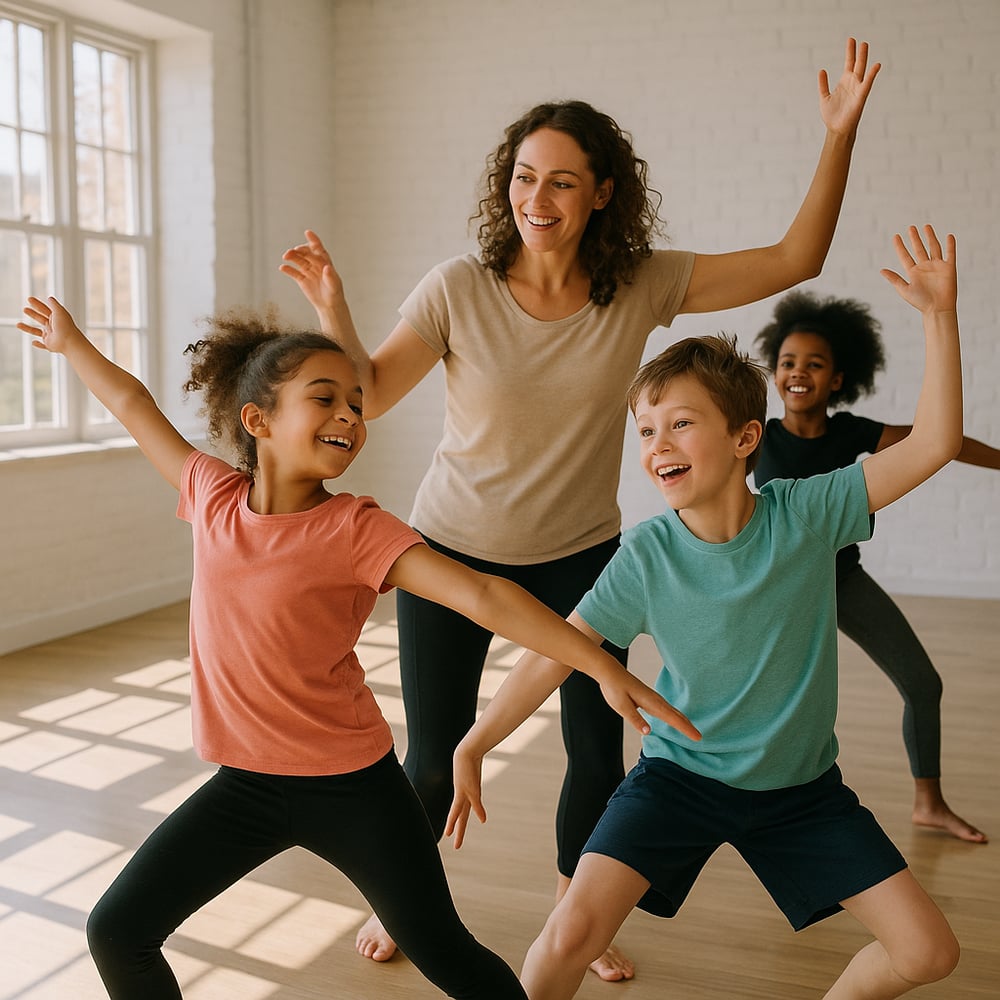
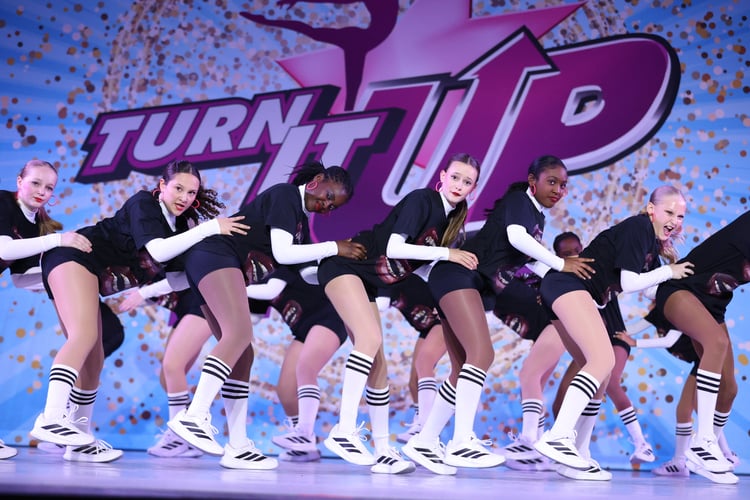
Dance youth development programs cultivate far more than technical skills—they nurture artistic expression, confidence, and lifelong creativity in young performers through structured mentorship and age-appropriate training.
Building Confidence Through Movement and Expression
Dance youth development programs provide young performers with a transformative space where physical movement becomes a powerful vehicle for self-expression and personal growth. Through carefully structured classes that emphasize both technical precision and creative exploration, students discover their unique artistic voice while developing the confidence to share it with others. Each plié, leap, and turn serves as more than just physical training—these movements become pathways for young dancers to communicate emotions, tell stories, and connect with their authentic selves in ways that words often cannot capture.
The supportive environment cultivated within quality dance programs creates a foundation where students feel safe to take creative risks and explore new forms of expression. Instructors who blend encouragement with constructive feedback help young performers understand that growth occurs through persistent effort and openness to learning. As students master new techniques and successfully execute challenging choreography, they build a reservoir of self-belief that extends far beyond the studio walls. This confidence manifests in improved posture, stronger communication skills, and a willingness to embrace challenges in all areas of life, demonstrating how movement-based learning contributes to comprehensive youth development.
The Role of Structured Training in Artistic Development
Structured dance training provides the essential framework within which artistic creativity can flourish. A well-designed curriculum that progresses systematically through foundational techniques creates a solid technical base that enables young dancers to execute increasingly complex movements with control and grace. This methodical approach to skill development ensures that students build strength, flexibility, and coordination in ways that protect against injury while expanding their physical capabilities. Professional instructors understand that mastery of classical ballet positions, proper alignment, and core strengthening exercises are not limitations on creativity but rather tools that unlock greater expressive potential.
The disciplined practice environment inherent in structured dance programs teaches young performers valuable lessons about dedication, time management, and the relationship between consistent effort and measurable improvement. Regular class attendance, focused rehearsal time, and preparation for recitals and performances instill habits of responsibility and commitment that serve students throughout their lives. Within this framework, dancers learn to set goals, work toward them systematically, and experience the satisfaction of achieving milestones. The balance between structure and creative freedom allows instructors to guide technical development while encouraging students to bring their individual interpretation and personality to every movement, fostering both discipline and artistic authenticity.
Nurturing Individual Creativity Within a Supportive Community
Quality dance youth development programs recognize that every young performer brings unique strengths, learning styles, and creative perspectives to the studio. Effective instructors celebrate these individual differences while fostering a collaborative community where students support one another's growth. Small teacher-to-student ratios enable personalized attention that addresses each dancer's specific needs, whether that involves modifying choreography to accommodate different skill levels or providing additional encouragement to students who need confidence-building. This individualized approach ensures that every child feels valued and recognized, creating an environment where creativity thrives alongside technical development.
The supportive community atmosphere cultivated in dance programs extends beyond individual achievement to embrace collective artistic expression. Group choreography, ensemble performances, and collaborative creative projects teach young dancers the importance of teamwork, mutual respect, and shared artistic vision. Students learn to appreciate diverse movement styles, celebrate their peers' successes, and contribute their unique talents to collective performances. This sense of belonging to a creative community provides emotional support during challenging moments and amplifies joy during achievements. The friendships formed through shared rehearsals and performances often become lasting relationships that reinforce positive values and provide a network of encouragement that extends well beyond childhood dance training.
How Age-Appropriate Instruction Unlocks Creative Potential
Age-appropriate instruction forms the cornerstone of effective dance youth development, ensuring that teaching methods, movement expectations, and creative challenges align with students' developmental stages. Younger children benefit from classes that incorporate playful exploration, imaginative storytelling through movement, and shorter attention spans with varied activities that maintain engagement. As students mature, instruction gradually introduces more complex choreographic concepts, technical refinement, and opportunities for personal interpretation within structured frameworks. This developmental progression ensures that dancers build skills systematically without experiencing frustration from expectations that exceed their current capabilities or boredom from instruction that fails to challenge their growing abilities.
Understanding the cognitive, emotional, and physical development of young performers allows skilled instructors to design experiences that maximize learning while nurturing creativity. Elementary-age students might explore creative movement through thematic classes that transform basic techniques into adventures, while adolescent dancers engage with more sophisticated artistic concepts including musicality, performance quality, and emotional storytelling through choreography. Age-appropriate instruction also considers the psychological needs of young performers, providing the right balance of structure and autonomy, challenge and success, and individual focus and ensemble participation. This thoughtful developmental approach ensures that dance education supports the whole child, fostering not only technical skill but also emotional intelligence, creative confidence, and a lifelong appreciation for artistic expression.
From Classroom to Stage: Transforming Skills into Artistic Expression
The journey from daily studio practice to stage performance represents a pivotal transformation in young dancers' development, where technical skills crystallize into meaningful artistic expression. Performance opportunities, including recitals and showcases, provide concrete goals that motivate consistent effort and give purpose to the repetitive practice required for mastery. As students prepare for performances, they learn to integrate all elements of their training—technical precision, musicality, emotional expression, and stage presence—into cohesive artistic statements. This process teaches young performers how individual skills combine to create something greater than their individual components, demonstrating the power of synthesizing knowledge and ability into authentic creative expression.
Stage experience builds critical life skills that extend far beyond dance technique, including managing performance anxiety, maintaining focus under pressure, and connecting authentically with audiences. The preparation process for performances teaches students about costume and production elements, collaboration with choreographers and fellow dancers, and the dedication required to present polished work. Each performance provides valuable feedback through audience response and personal reflection, helping young dancers understand how their artistic choices impact viewers and refine their ability to communicate through movement. These transformative experiences from classroom to stage build resilience, confidence, and a deep understanding of the artistic process that serves students whether they pursue dance professionally or carry these lessons into other creative endeavors. The complete cycle of learning, rehearsing, performing, and reflecting creates a comprehensive educational experience that honors both the discipline and the artistry inherent in dance.