
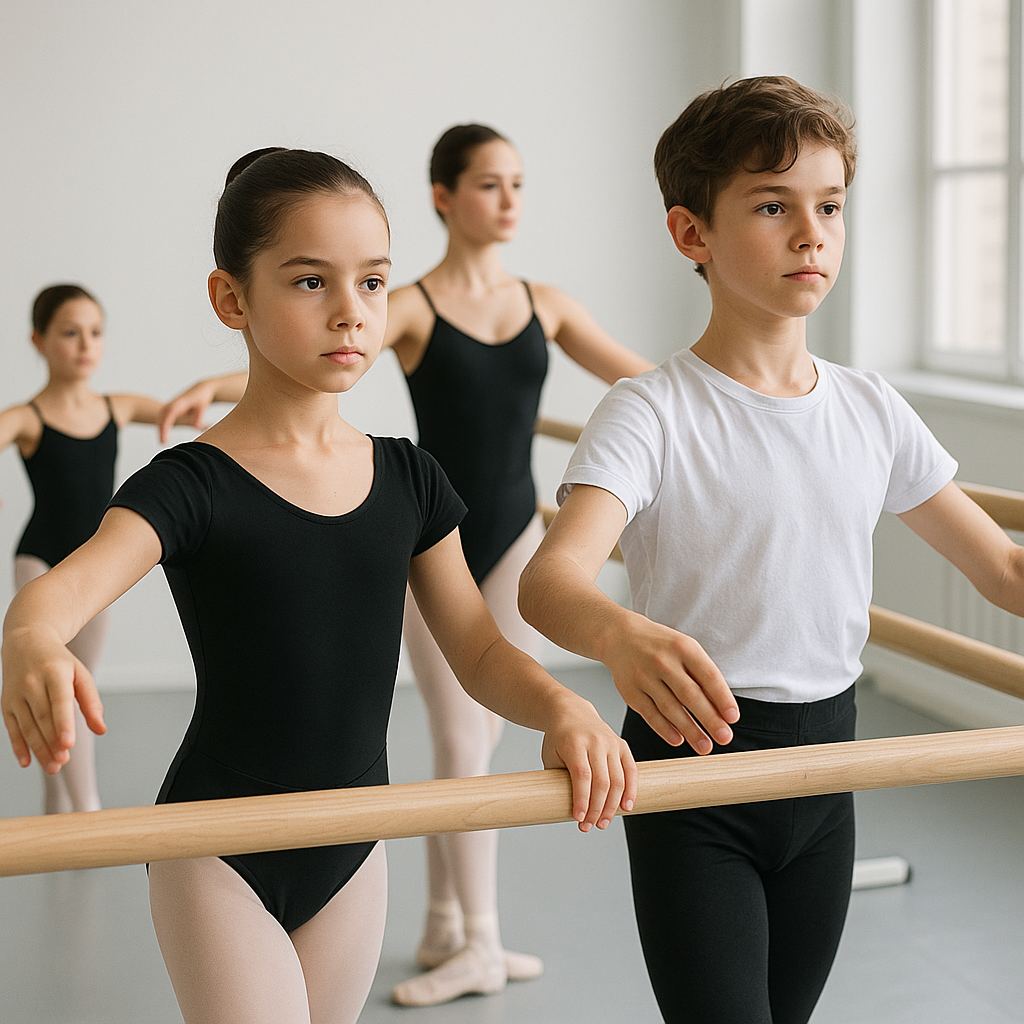
Discover how classical ballet forms the essential foundation that transforms young dancers into versatile performers with strength, discipline, and artistic excellence across all dance styles.
Building Physical Strength and Technical Precision Through Classical Training
Classical ballet training serves as the cornerstone for developing physical strength and technical precision in young dancers. Through structured exercises at the barre and in center work, students systematically build muscular endurance, core stability, and controlled flexibility. Each plié, tendu, and arabesque requires precise alignment and intentional muscle engagement, teaching dancers to activate specific muscle groups while maintaining proper posture. This foundation of physical conditioning translates directly into enhanced performance quality across all dance styles offered at competitive and recreational levels.
Technical precision in ballet extends beyond simple movement execution to encompass a comprehensive understanding of body mechanics and spatial awareness. Dancers learn to coordinate multiple elements simultaneously—turnout, alignment, breath control, and artistic expression—while maintaining grace under physical demand. This attention to technical detail develops the neuromuscular pathways necessary for executing complex choreography safely and effectively. Progressive training methods ensure that each student builds strength gradually, reducing injury risk while preparing the body for advanced movement patterns.
The disciplined approach to physical conditioning in ballet creates lasting benefits that support long-term athletic development. Students who commit to consistent ballet training develop not only visible strength and flexibility, but also proprioceptive awareness that allows them to self-correct and refine their technique independently. This level of physical literacy becomes invaluable as dancers progress through more challenging repertoire and pursue competitive performance opportunities.
How Ballet Develops Discipline and Mental Resilience in Young Performers
The structured nature of ballet training cultivates discipline and mental resilience that extends far beyond the dance studio. Each class follows a time-tested progression from barre work through center combinations, requiring students to focus, follow detailed instruction, and maintain concentration throughout the session. This systematic approach teaches young performers the value of consistent effort, attention to detail, and commitment to continuous improvement. As students work toward mastering challenging techniques such as pirouettes or grand allegro combinations, they develop patience and perseverance that serve them in all areas of life.
Mental resilience develops naturally through the iterative process of ballet training, where students learn to embrace constructive feedback and view challenges as opportunities for growth. Rather than becoming discouraged by initial difficulty, dancers discover that dedicated practice and incremental progress lead to meaningful achievement. Instructors provide supportive encouragement while maintaining high standards, creating an environment where students build confidence through earned accomplishment. This balance between nurturing support and rigorous expectation helps young performers develop healthy self-belief and intrinsic motivation.
The discipline inherent in ballet training also fosters essential life skills including time management, goal setting, and emotional regulation. Students learn to prepare mentally and physically for class, manage frustration when movements prove challenging, and celebrate progress along their developmental journey. These experiences build character and resilience that benefit performers throughout their dance careers and in academic, social, and future professional contexts.
The Foundation of Versatility: Ballet as the Gateway to Multiple Dance Styles
Ballet training provides the technical foundation that enables dancers to excel across multiple styles, from jazz and contemporary to hip-hop and musical theatre. The fundamental principles learned in ballet—proper alignment, balance, coordination, and control—translate seamlessly into other dance forms, allowing students to approach new styles with confidence and technical competence. Dancers with strong ballet backgrounds demonstrate superior execution quality in leaps, turns, and extensions regardless of the choreographic style, as they possess the physical strength and kinesthetic awareness necessary for clean, precise movement.
The versatility gained through ballet training proves particularly valuable for students interested in competitive dance or drill team participation, where performers must master multiple styles and adapt quickly to varied choreographic demands. Ballet-trained dancers possess the technical vocabulary and body control needed to learn new movements efficiently, making them valuable ensemble members and adaptable performers. Their understanding of musicality, spatial patterns, and performance dynamics—all cultivated through ballet—enhances their ability to interpret diverse choreographic styles with authenticity and artistry.
As students progress in their dance education, the foundational skills developed through ballet continue to support their growth across all disciplines. Whether exploring the fluidity of contemporary movement, the sharp precision of jazz technique, or the grounded power of hip-hop, dancers with ballet training demonstrate superior body awareness and movement quality. This versatility opens doors to broader performance opportunities and ensures that students develop as comprehensive, well-rounded artists capable of meeting the demands of diverse choreographic contexts.
Injury Prevention and Body Awareness Through Proper Ballet Technique
Proper ballet technique plays a crucial role in injury prevention by teaching dancers correct alignment, safe movement patterns, and appropriate physical progression. Through careful attention to anatomical positioning and controlled execution, ballet training develops the stabilizing strength and flexibility necessary to protect joints and prevent strain. Students learn to engage supporting muscle groups, maintain neutral spine alignment, and distribute weight appropriately—all essential practices that reduce injury risk not only in dance but also in tumbling and other physical activities.
Body awareness developed through ballet training enables dancers to recognize and respond to physical signals, preventing overuse injuries and promoting longevity in their performance careers. As students become more attuned to their bodies, they learn to distinguish between productive challenge and potentially harmful strain, empowering them to train intelligently and communicate effectively with instructors about their physical needs. This heightened proprioceptive awareness allows dancers to self-monitor alignment, identify compensatory patterns, and make real-time adjustments that support healthy movement mechanics.
The progressive nature of quality ballet instruction ensures that students build strength and flexibility safely over time, rather than forcing advancement before the body is adequately prepared. Certified instructors emphasize proper warm-up protocols, age-appropriate technical demands, and individualized pacing that respects each student's unique developmental timeline. This thoughtful approach to physical conditioning creates resilient dancers who can train consistently while maintaining optimal musculoskeletal health, supporting their ability to pursue dance training and performance opportunities throughout their youth and beyond.
Cultivating Artistry and Performance Quality Beyond the Basics
Ballet training extends beyond physical technique to cultivate artistry, musicality, and authentic performance quality that distinguish accomplished dancers from technical executors. Through classical repertoire and expressive movement exercises, students learn to communicate emotion, tell stories through gesture, and connect meaningfully with audiences. This emphasis on artistic interpretation teaches young performers that dance is not merely a display of physical skill but a form of communication that requires intention, vulnerability, and emotional intelligence.
Performance quality develops as students integrate technical mastery with artistic expression, learning to execute movements with dynamic variation, phrasing, and personal interpretation. Ballet training encourages dancers to consider the qualitative aspects of movement—the softness of a port de bras, the suspension in a grand jeté, the dramatic intensity of a penché—that transform correct execution into compelling artistry. Instructors provide opportunities for creative exploration while maintaining technical standards, helping students develop their individual artistic voices within the classical tradition.
The cultivation of artistry through ballet training prepares dancers for diverse performance settings, from recitals and competitions to community showcases and beyond. Students who develop both technical precision and artistic authenticity become confident, versatile performers capable of adapting to varied choreographic styles and performance contexts. This combination of discipline and creativity represents the hallmark of well-rounded dancers who excel not only in executing choreography but in moving audiences and expressing the full depth of human experience through movement. The comprehensive development fostered through quality ballet training ultimately prepares young artists for lifelong engagement with dance as both an athletic discipline and an art form.