
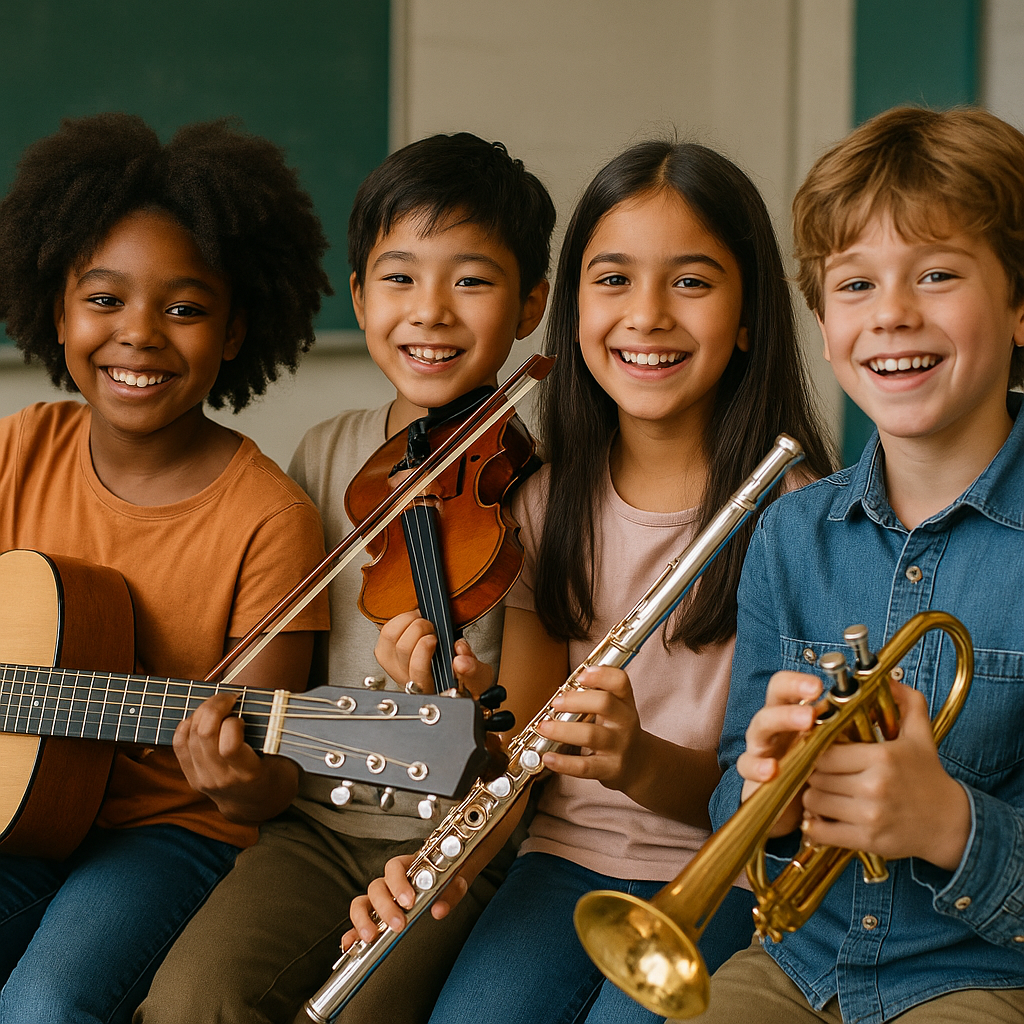
Discover how music education unlocks creative potential, builds confidence, and empowers young learners to express themselves authentically while developing essential life skills.
The Transformative Power of Music in Student Development
Music education represents far more than learning to play an instrument or read sheet music. It serves as a comprehensive developmental experience that shapes young learners into confident, creative, and disciplined individuals. Through the structured yet expressive nature of musical training, students discover capabilities they never knew they possessed, building essential life skills that extend well beyond the practice room.
The journey of learning music engages multiple dimensions of student development simultaneously. As children and adolescents navigate rhythm, melody, and harmony, they develop cognitive abilities, emotional awareness, and social competencies that influence every aspect of their lives. Research consistently demonstrates that students involved in music education show enhanced academic performance, improved problem-solving skills, and greater emotional resilience. This holistic development occurs because music uniquely integrates analytical thinking with creative expression, requiring students to master technical precision while exploring their authentic voice.
At the heart of music education lies the principle that every student possesses inherent creative potential waiting to be unlocked. When provided with proper guidance, supportive instruction, and safe spaces to explore, young learners flourish in ways that surprise even themselves. This transformation manifests not only in musical ability but in fundamental shifts in self-perception, confidence, and willingness to embrace challenges. The discipline required to master an instrument teaches perseverance, while the creative freedom of musical expression nurtures individuality and authentic self-discovery.
Building Confidence Through Musical Self-Discovery
Confidence develops gradually through repeated experiences of setting goals, working toward them, and experiencing success. Music education provides an ideal framework for this confidence-building process. Each small achievement—mastering a challenging passage, performing for others, or successfully collaborating in an ensemble—reinforces a student's belief in their abilities. Unlike many academic subjects where progress can feel abstract, musical advancement offers tangible, audible evidence of improvement that students can hear and feel with each practice session.
The personalized nature of music instruction plays a crucial role in developing self-assurance. When students receive individualized attention tailored to their unique needs and learning styles, they progress at their own pace without the pressure of comparison. This personalized approach allows instructors to provide constructive feedback and technique correction that builds skills incrementally, ensuring students experience consistent forward momentum. As young musicians witness their own growth over weeks and months, they internalize an empowering narrative: effort leads to improvement, and challenges can be overcome through dedication and support.
Performance opportunities serve as powerful confidence accelerators within music education. Whether participating in recitals, ensemble performances, or informal showcases, students learn to manage performance anxiety, present themselves with poise, and share their artistic voice with others. These experiences teach that vulnerability and courage go hand in hand, and that authentic expression deserves celebration. The supportive encouragement from instructors, peers, and families during these moments creates positive associations with taking risks and stepping outside comfort zones—lessons that translate directly to academic pursuits, social situations, and future professional endeavors.
How Music Education Nurtures Emotional Intelligence and Resilience
Music possesses a unique capacity to access and develop emotional intelligence. As students learn to interpret musical pieces, they engage deeply with the emotional content embedded within melodies, harmonies, and rhythmic patterns. This process requires them to identify, understand, and express complex emotions through their playing or singing. Over time, this musical emotional literacy enhances their ability to recognize and navigate feelings in their daily lives, fostering greater self-awareness and empathy toward others.
The challenges inherent in music education build exceptional resilience. Learning an instrument demands sustained effort over extended periods, with progress sometimes feeling incremental or even stalled. Students inevitably encounter difficult passages that resist mastery, techniques that feel awkward initially, or performances that fall short of expectations. These moments present invaluable opportunities to develop a growth mindset and emotional resilience. With supportive coaching and nurturing guidance, students learn that setbacks represent natural parts of the learning process rather than indicators of inadequacy. They discover strategies for managing frustration, maintaining motivation during plateaus, and celebrating small victories along the journey.
Music education also teaches students to embrace constructive feedback as a tool for growth rather than criticism to be feared. In a nurturing learning environment where instructors provide technique correction with kindness and encouragement, students develop healthy relationships with feedback. They learn to separate their self-worth from their current skill level, understanding that critique of performance does not constitute critique of character. This emotional maturity proves invaluable throughout life, enabling young people to seek guidance, acknowledge areas for improvement, and continuously develop their capabilities across all domains.
Creating Safe Spaces for Authentic Creative Expression
The development of creativity requires environments where students feel psychologically safe to experiment, take risks, and express themselves without fear of judgment. Quality music education prioritizes creating these supportive spaces where exploration is encouraged and individuality is celebrated. When students trust that their authentic expressions will be met with respect and encouragement, they develop the confidence to share their unique perspectives through music. This safety allows for genuine artistic development that reflects each student's personality, experiences, and emotional landscape.
Instructors play a pivotal role in establishing and maintaining these creative safe spaces. By modeling authentic engagement with music, demonstrating vulnerability in their own artistic practice, and responding to student efforts with constructive, supportive feedback, educators create cultures where creativity flourishes. Small teacher-to-student ratios enable deeper connections and more personalized attention, ensuring each young musician receives the individualized support necessary for confident self-expression. These relationships become foundational to students' willingness to stretch beyond comfortable boundaries and explore new artistic territories.
The balance between structure and freedom within music education creates ideal conditions for creative development. Technical instruction provides students with the tools and vocabulary necessary for expression—proper technique, music theory knowledge, and repertoire familiarity. However, the true magic occurs when students apply these foundational skills toward personal interpretation and original creation. Whether improvising variations on learned pieces, composing original melodies, or infusing established works with individual style, students discover that rules and creativity coexist productively. This understanding—that discipline enables rather than constrains authentic expression—represents a profound insight that shapes their approach to all creative endeavors throughout life.
The Lasting Impact of Music on Character and Personal Growth
The discipline cultivated through music education extends far beyond practice rooms and performance halls. Learning music requires consistent, focused effort over extended periods—qualities that transfer directly to academic achievement, athletic pursuits, and professional success. Students who commit to regular practice develop time management skills, learn to delay gratification, and understand that meaningful accomplishment results from sustained dedication rather than quick fixes. These lessons in discipline become internalized values that guide decision-making and effort allocation throughout their lives.
Music education also fosters essential collaborative skills and interpersonal competencies. Ensemble playing requires students to listen attentively to others, adjust their performance to complement fellow musicians, and contribute to collective goals that transcend individual achievement. These experiences teach teamwork, mutual respect, and the satisfaction of creating something beautiful together that none could accomplish alone. Students learn that individual excellence serves the greater good when channeled toward collaborative purposes, and that supporting others' success enhances rather than diminishes their own accomplishments.
Perhaps most significantly, music education contributes to the development of the whole person—integrating cognitive, emotional, social, and creative dimensions into comprehensive personal growth. Students who engage deeply with music develop richer inner lives, more sophisticated emotional vocabularies, and greater capacity for finding meaning and beauty in their experiences. They learn that discipline and creativity, structure and freedom, individual expression and collaborative contribution need not compete but rather complement and enhance one another. These integrated understandings shape character in lasting ways, empowering young people to navigate life's complexities with confidence, creativity, resilience, and authentic self-knowledge. The skills and insights gained through music education become lifelong companions, enriching personal relationships, professional endeavors, and the ongoing journey of self-discovery that defines meaningful human existence.