
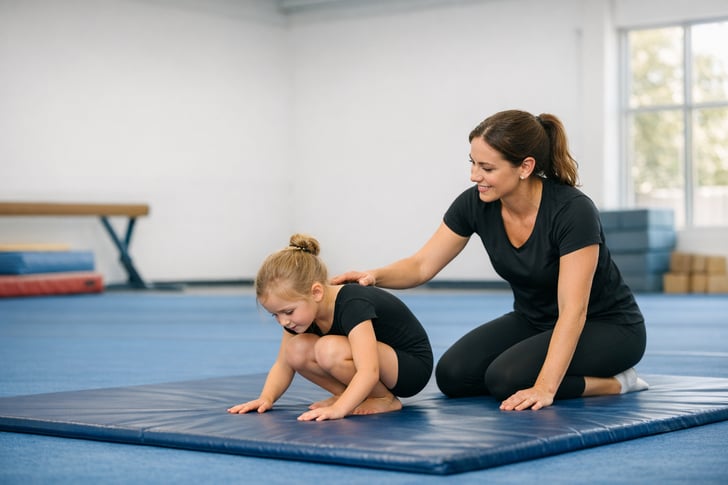
Finding the perfect beginner tumbling and acro class for your child sets the foundation for building confidence, developing essential gymnastics skills, and fostering a lifelong love of movement.
Understanding Your Child's Readiness and Goals
Before enrolling your child in tumbling and acrobatics classes for beginners, it is essential to evaluate their physical, emotional, and developmental readiness. Young children typically benefit most from beginner tumbling lessons when they can follow basic instructions, demonstrate age-appropriate attention spans, and show genuine interest in movement-based activities. Classes for young children generally accept students as young as three or four years old, though each child develops at their own pace. Consider whether your child can participate in group settings, listen to instructors, and engage with peers in a structured environment.
Identifying your child's goals helps align expectations with the right program. Some families seek acrobatics training for kids as a foundation for competitive gymnastics or dance, while others prioritize recreation, fitness, and character development. Beginner tumbling classes should focus on foundational skills such as forward rolls, cartwheels, handstands, and basic flexibility exercises that build body awareness and coordination. Understanding whether your child aims to develop recreational skills or pursue more intensive training will guide you toward gymnastics programs for beginners that match their aspirations and your family's commitment level.
It is equally important to assess your child's comfort level with new physical challenges. Tumbling requires trust in one's body, willingness to try unfamiliar movements, and resilience when skills do not come easily at first. Encourage open conversations with your child about what excites them and any concerns they may have. A supportive, nurturing environment that emphasizes gradual progress and celebrates small victories will help young learners develop confidence, mental toughness, and a positive relationship with physical activity that extends beyond the classroom.
What to Look for in Class Structure and Curriculum
A well-designed curriculum for beginner tumbling and acro classes should prioritize age-appropriate skill progression, safety, and engagement. Look for programs that introduce foundational gymnastics skills in a structured sequence, beginning with basic body positions, rolling techniques, and balance exercises before advancing to more complex movements. Classes for young children should incorporate fun, dynamic activities that maintain attention while reinforcing proper technique. The curriculum should clearly outline which skills students will learn each week and how those skills build upon one another over time.
During the first four weeks of beginner tumbling lessons, expect your child to develop core competencies such as forward and backward rolls, donkey kicks, bridge positions, and assisted cartwheels. Quality acrobatics training for kids includes controlled, progressive warm-ups that prepare muscles and joints for activity while reducing injury risk. Instructors should emphasize proper body alignment, hand and foot placement, and controlled movements rather than rushing through repetitions without technique correction. A structured curriculum ensures that each class session has clear objectives and that students receive consistent, measurable feedback on their progress.
The best gymnastics programs for beginners balance skill development with character building, teamwork, and mental resilience. Classes should incorporate opportunities for students to support one another, celebrate achievements, and develop a growth mindset when facing challenges. Avoid programs that use counterproductive language or negative phrases that undermine confidence. Instead, seek youth tumbling class recommendations from families who report that instructors provide constructive feedback, technique correction, and encourage students with supportive, uplifting language. A positive learning environment fosters motivation, self-belief, and resilience that extends beyond the gym.
Evaluating Instructor Qualifications and Teaching Approach
Instructor qualifications are a critical factor when selecting tumbling and acrobatics classes for beginners. Certified instructors with formal training in gymnastics, acrobatics, or dance bring expertise in proper technique, injury prevention, and age-appropriate coaching methods. Ask potential programs about instructor credentials, years of experience working with young children, and ongoing professional development opportunities. Highly accredited staff who participate in continuing education stay current with best practices in coaching, safety protocols, and developmental psychology, ensuring your child receives expert, evidence-based instruction.
The teaching approach should emphasize personalized instruction tailored to individual needs, even within a group setting. Effective instructors observe each student's movement patterns, identify areas for improvement, and provide specific, actionable feedback that helps learners refine their technique. Classes for young children should feature instructors who use positive reinforcement, patient guidance, and creative teaching methods that make learning enjoyable. Look for coaches who build dynamic, collaborative relationships with students, instilling motivation and self-belief while maintaining high standards for effort and focus.
A nurturing, supportive teaching style is essential for beginner tumbling lessons. Instructors should create a welcoming environment where students feel safe to take risks, ask questions, and learn from mistakes. Avoid programs where coaches focus solely on repetition without instruction or fail to provide technique correction. Instead, prioritize youth tumbling class recommendations that highlight knowledgeable, encouraging instructors who build confidence and mental toughness through constructive feedback and individualized attention. The right instructor will help your child develop not only physical skills but also resilience, teamwork, and a lifelong love of movement.
Class Size, Safety Standards, and Facility Considerations
Class size directly impacts the quality of instruction and safety in beginner tumbling and acro classes. Smaller class sizes allow instructors to provide more individualized attention, closely monitor each student's technique, and respond quickly to safety concerns. For classes for young children, a low student-to-teacher ratio ensures that instructors can spot students during challenging skills, correct improper form before it becomes habitual, and create a supportive learning environment. When evaluating gymnastics programs for beginners, inquire about maximum class sizes and whether assistant instructors are present to help manage larger groups.
Safety standards are non-negotiable when selecting acrobatics training for kids. Verify that the facility maintains clean, well-maintained equipment including quality mats, padded surfaces, and age-appropriate apparatus. The training space should have adequate room for students to practice skills without risk of collision, and instructors should establish clear rules for behavior and movement within the gym. Ask about the program's approach to injury prevention, including proper warm-up protocols, progression planning, and protocols for handling emergencies. Facilities should have accessible first aid supplies, clear emergency procedures, and staff trained in pediatric first aid and CPR.
The facility itself should provide a welcoming, comfortable environment that supports learning and development. Look for clean, organized spaces with proper ventilation, appropriate lighting, and designated areas for different skill levels. Convenient access, ample parking, and comfortable waiting areas for parents enhance the overall experience. When touring potential locations for youth tumbling class recommendations, observe how staff interact with students and families, assess the cleanliness and organization of the space, and evaluate whether the facility's atmosphere aligns with your family's values. A professional, well-maintained facility demonstrates the program's commitment to providing high-quality training and positive experiences for all participants.
Making the Most of Your First Class Experience
Preparing your child for their first beginner tumbling lesson sets the stage for a positive, successful experience. Discuss what to expect during class, including the types of activities they will do, how to listen to the instructor, and the importance of following safety rules. Dress your child in comfortable, fitted athletic clothing that allows freedom of movement without excess fabric that could catch on equipment. Avoid jewelry and hair accessories beyond basic ponytail holders, and ensure fingernails are trimmed to prevent injury. Arrive early to allow time for check-in, facility orientation, and settling any first-day nerves.
During the first class, observe how instructors interact with students, structure activities, and provide feedback. Quality acrobatics training for kids includes clear demonstrations, step-by-step instruction, and opportunities for students to practice skills with appropriate support. Notice whether the instructor provides constructive feedback, celebrates effort and progress, and creates an encouraging atmosphere. After class, ask your child about their experience, which activities they enjoyed, and whether they felt comfortable with the instructor and classmates. Their enthusiasm and comfort level provide valuable insight into whether the program is the right fit.
Establishing consistent attendance and open communication with instructors helps maximize progress during the first four weeks of beginner tumbling and acro classes. Most gymnastics programs for beginners expect students to attend regularly, practice basic skills at home when safe to do so, and communicate any concerns or questions to coaching staff. Use convenient online booking and communication tools to manage scheduling, track progress, and stay informed about program updates. Encourage your child with supportive language that emphasizes effort, improvement, and resilience rather than perfection. By partnering with qualified instructors and maintaining a positive, consistent approach, you will help your child build confidence, develop essential skills, and foster a lifelong love of movement through tumbling and acrobatics.